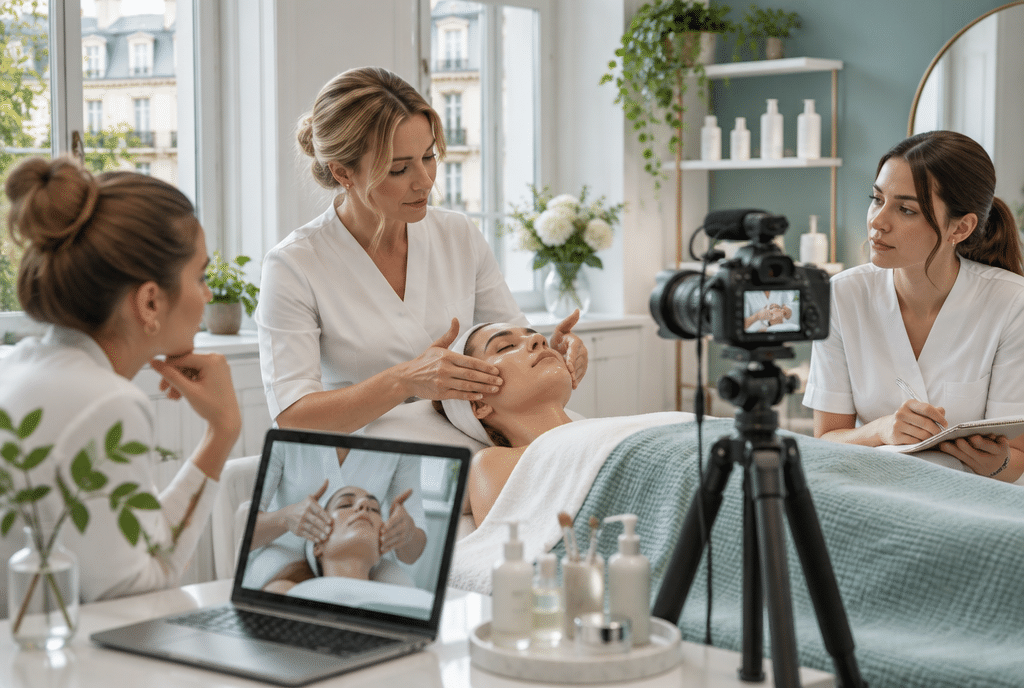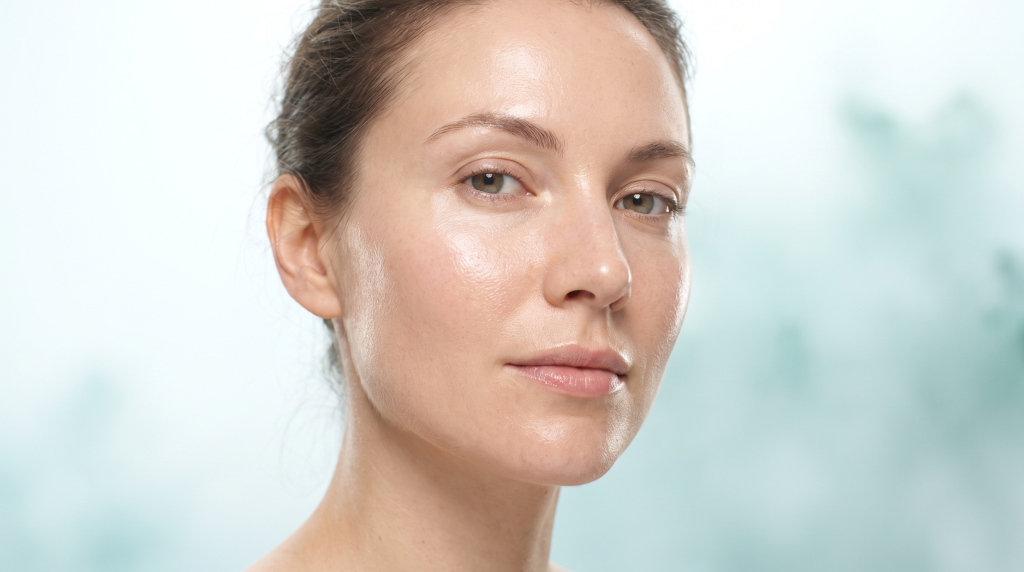

A client sits down in the chair and says a sentence that was rarely heard ten years ago and today opens most consultations: I do not want to change anything, I simply want to have nice skin. That one sentence contains the whole change that has taken place in aesthetics. Skin quality has been promoted from a generality to a therapeutic goal in its own right, with its own scientific definition, its own parameters and its own place on the price list. And that is the best news for cosmetology salons in years.
From a generality to a definition: what science means by skin quality
The breakthrough was the international expert consensus published by Goldie’s team in Clinical, Cosmetic and Investigational Dermatology in 2021, which organised the concept into four measurable categories: evenness of tone, evenness of surface, firmness and skin glow. Four simple axes on which both the client’s expectations and the outcome of therapy can be described; the publication is available in the PubMed database.
Why does this matter for practice? Because it moves the conversation from the level of “we will rejuvenate you” to the level of specifics: we work on tone and texture, and we assess progress in the same categories at every follow-up visit. A shared language with the client means fewer disappointments and more series completed to the end.

Why this is an ideal goal for cosmetology
Skin quality is ground on which cosmetology plays at home: work on tone, texture, hydration and glow rests on skincare tools, combined protocols and the consistency of a series.
Filling is something only a doctor can do. But skin quality, the kind from the four axes of the consensus, is worked on most effectively where the client comes every month: in the cosmetology salon.
A skin quality protocol: how to put it all together
In practice, skin quality therapy is a sequence, not a single treatment. The foundation is cleansing and rebuilding hydration, for example in the rhythm of monthly hydrogen cleansing, which evens out tone and gives immediate radiance. On this the regenerative layer is built: protocols with PDRN, copper peptides or exosomes, chosen for the axis that needs the most work; you will find a map of these tools in the guide to PDRN in cosmetology. For clients with established loss of firmness, the sequence is completed by a technology that stimulates remodelling, and between visits home care does the work, without which every protocol is only an episode; we described the rules for choosing it in the guide to care after aesthetic treatments.
How to price it: a series and a path instead of a single item
Skin quality has one more professional advantage: by its nature it is continuous therapy, so it sells as a path. Instead of the item “treatment X, PLN 300”, the price list gains a programme: a consultation with an assessment of the four axes, a series of three to six visits with a protocol matched to the goal, a follow-up visit with progress assessed in the same categories, and home care as part of the programme. Such a structure raises the client’s value over time and stabilises the schedule; we set out the mechanics of building such items in the guide to the treatment menu in the salon, and the pricing method in the guide to cosmetic treatment prices.
Traps that are easy to fall into
The first: promising all four axes at once. An honest consultation chooses one or two dominant ones and builds the plan on them; the rest improves along the way. The second: measuring progress only with phone photographs, in different light and at different times of day; if you document, do it in repeatable conditions, because otherwise neither you nor the client will see the truth. The third: treating skin quality as a substitute for medical therapies where the problem requires them; the limits of competence, clearly communicated, build trust more strongly than any promise.
For the salon in brief: skin quality is the first big trend in years in which cosmetology is not chasing medicine but playing on its own pitch. Define it with the four axes of the consensus, sell it as a programme with a follow-up visit and measure progress in language the client understands. This is not a fashion for one season; it is a new way of arranging the whole offer.
Would you like to translate the four axes into a specific programme on your price list, with protocols, pricing and team training? Book a call with Este Group; we help build skin quality paths from the first consultation to the shelf with home care.